DIFFERENT. ON PURPOSE.
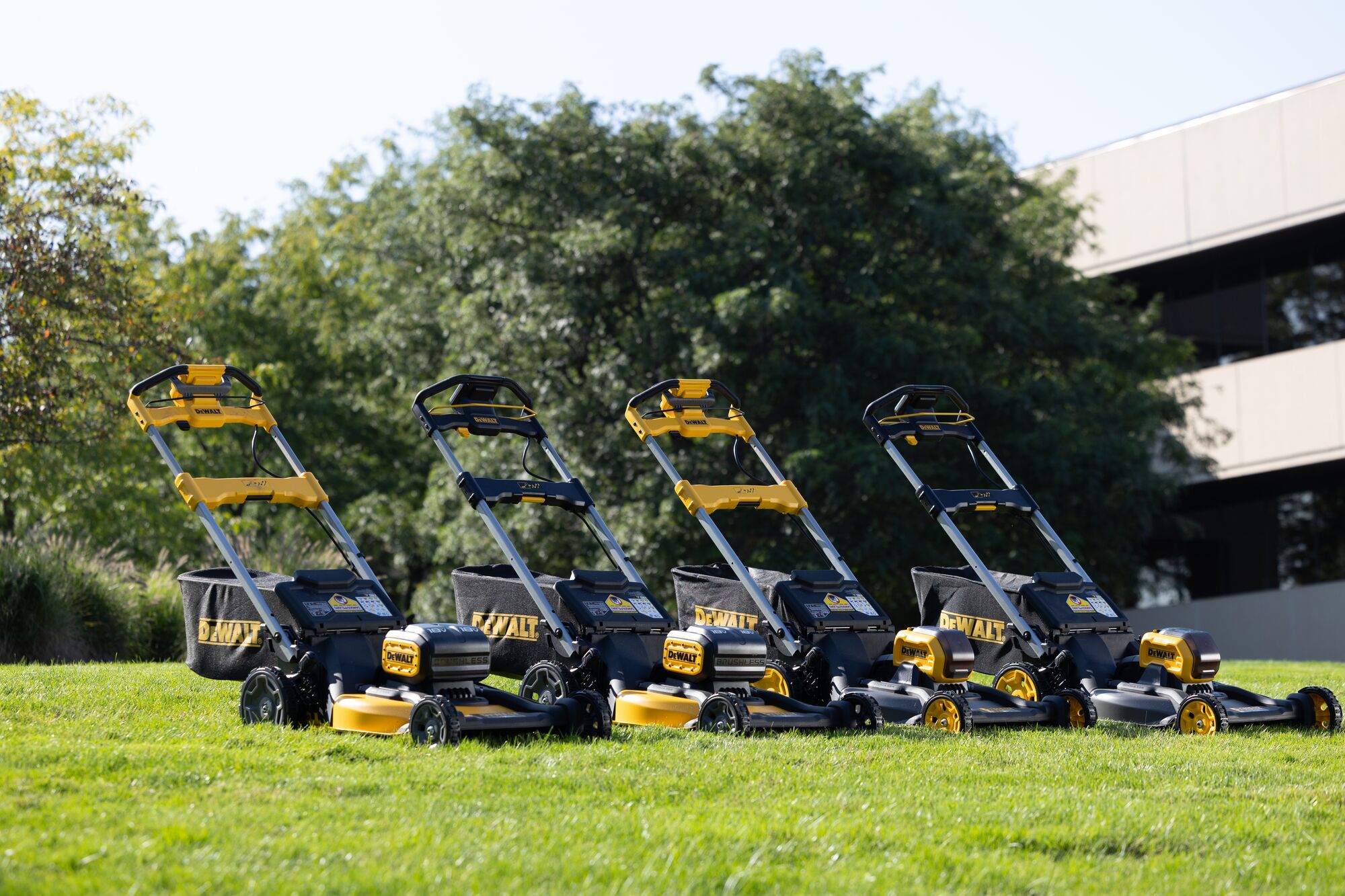
The next generation of battery-powered mowers is here. Re-engineered specifically for cordless performance, these DEWALT® mowers feature a reimagined cutting system and optimal runtime.
THE POWER OF SUPPORT
From tools to time, we support pros on the toughest jobsites. Here’s how DEWALT® is fortifying the future
of the trades through initiatives that support and grow skills for tradespeople.


POWERING THE FUTURE
Discover the new DEWALT POWERSHIFT™ Cordless Equipment System for epic performance and runtime. Don’t wait to start, stop to refuel, or be limited by gas a second longer. Put the power in your hands and TAKE CONTROL™ with DEWALT POWERSHIFT™.
FEATURED PRODUCTS


GUARANTEED TOUGH®.
FOR THE WORLD'S MOST DEMANDING PROS.
SHOP BY CATEGORY


DEWALT® offers a wide range of battery systems and all of the chargers you need to keep working.


DEWALT® has the total jobsite solution – all the right tools you need to get the job done.


A NAME THAT MEANS SOMETHING
When we put the DEWALT® name on something, it's a commitment to get the job done right. It's the mark we've left over 100 years of helping world-builders build the modern world.


THIS IS LANDSCAPING REENERGIZED.
Explore the latest breakthrough innovation in commercial landscaping.
ALWAYS BY YOUR SIDE
We take extensive measures to ensure all our products are made to the very highest standards and meet all relevant industry regulations.
FIND A LOCAL RETAILER
DEWALT® products and accessories are available online and at retailers nationwide. Search for retailers near you by postcode or city.
HOW CAN WE HELP?
If you want to contact us, now it's easier than ever to get in touch.
Whatever you need, we are here for you.
WARRANTY INFORMATION
We’re confident in our products. We’ll repair, without charge, any defects due to faulty materials or workmanship within the specified warranty.
JOIN MyDEWALT
Join MyDEWALT to register your tools and help protect your investment, rate and review products you love, and learn about the newest DEWALT tools and accessories.
*Maximum initial battery voltage (measured without a workload) is 20 volts. Nominal voltage is 18. **vs. ABS plastic tool housing † vs. DEWALT 18V NiCad tools
